


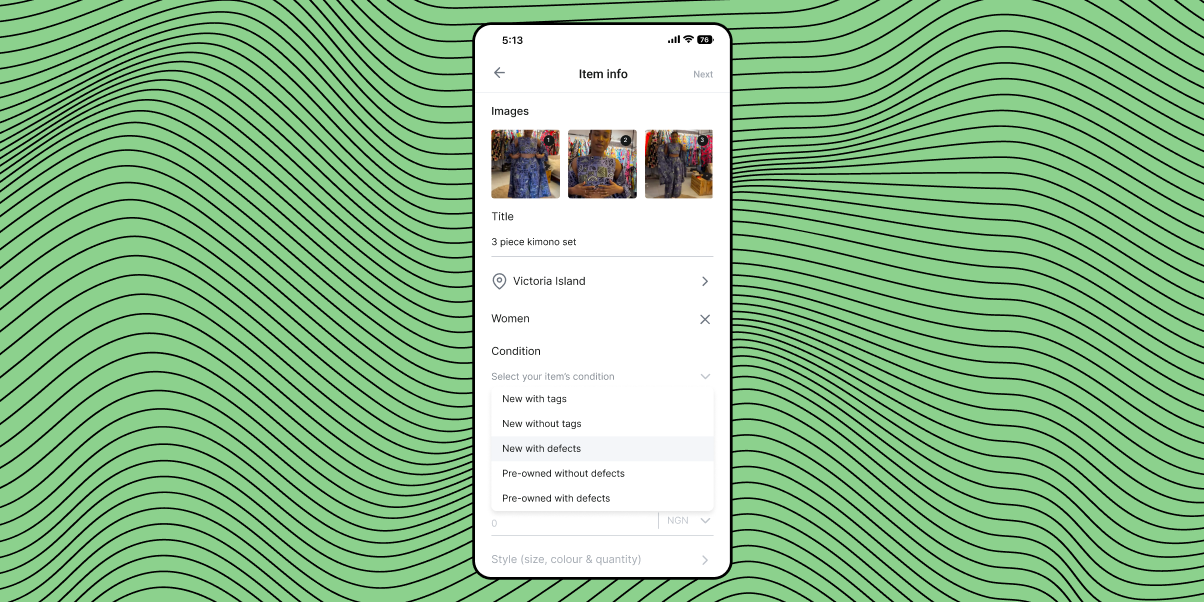
When buying or selling pre-loved fashion, knowing the true condition of an item matters. On Seconds, condition labels help sellers describe their items clearly and help buyers know what to expect before making a purchase.
Whether an item is brand new, pre-owned, comes with its original box, or has a visible defect, choosing the right condition label creates a better experience for everyone.
Why Accurate Condition Labels Matter
An accurate condition label helps build trust between buyers and sellers.
When sellers describe an item honestly, buyers can make informed decisions and know what they are purchasing. Clear descriptions also reduce misunderstandings, complaints, returns, and disputes after a purchase.
For sellers, being transparent about an item’s condition can also help attract serious buyers and build a reliable reputation on Seconds.
For buyers, the condition label provides a quick way to understand the item’s state before looking at the photos and description in more detail.
Understanding the Condition Labels on Seconds
Seconds uses different labels to describe the condition of items. Here’s what each one means.
New Condition Labels
New items have never been worn or used. They may have been tried on but not worn out, condition can vary, determine where your new item fits.
New with tags
The item is brand new and has its original tags attached.
It has not been worn or used and should be in the condition you would expect from a new item purchased from a store.
Example: A skirt purchased but never worn, with the original retail tag still attached.
New with box
The item is brand new and comes with its original box or packaging.
This label is commonly useful for items such as shoes, bags, watches, accessories, or other products that originally came with a box.
Example: A pair of shoes that has never been worn and still has its original shoe box.
New without tags
The item is new and unused but does not have its original tags.
The item should still be in new condition, even though the retail tags have been removed or are no longer available.
Example: A dress bought for an occasion but never worn, with the original tag removed.
New without box
The item is new and unused but does not have its original box packaging.
The item should still be in new condition, even though the box packaging it came with is no longer available.
Example: A pair of sneakers that has never been worn but does not have its original sneakers box.
New with defects
The item is new or unused but has a noticeable defect.
The defect should always be clearly mentioned in the listing and shown in photos where possible.
Example: A brand-new handbag with a small scratch or a brand new skirt with a minor fabric discoloration.
Being new does not mean an item is automatically free from defects, so sellers should be transparent.
Pre-Owned Condition Labels
Pre-owned items have been previously owned or used. Their condition can vary, so sellers should carefully inspect them before creating a listing.
Pre-owned without defects
The item has been previously owned or used but does not have any known significant defects.
It may still show normal signs of previous use, such as light wear, but there should not be a known defect that materially affects the item’s condition.
Example: A pair of jeans worn several times but with no stains, tears, or significant damage.
Pre-owned without box
The item has been previously owned or used but does not come with its original box or packaging.
This does not necessarily mean there is anything wrong with the item itself. It simply means the original box is unavailable.
Example: A used pair of sneakers in good condition being sold without the original sneakers box.
Pre-owned with defects
The item has been previously owned or used and has one or more noticeable defects.
Defects should be clearly disclosed in the listing. Sellers should include photos of the affected areas and explain what the issue is.
Example: A pre-owned handbag with a small tear, a loose stitching area, or visible staining
How to Choose the right label as a seller
Choosing a condition label should be based on the actual condition of the item, not the condition you think will make it easier to sell.
Before listing your item, take a few minutes to inspect it carefully.
1.Determine whether it is new or pre-owned
Ask yourself:
- Has the item ever been worn or used?
- Has it been washed or altered?
- Has it been used even once?
If it has been used, it should generally be considered pre-owned.
2. Check whether the original tags are still attached
For new items, check whether the original retail tags are present.
If they are attached, use New with Tags.
If the item is unused but the tags are missing, use New without Tags.
3.Check for a box or original packaging
If the item originally came with a box and you still have it, select the appropriate with box label.
If you no longer have the box, choose without box.
4.Inspect items for defects
Look carefully for:
- Stains
- Scratches
- Tears
- Loose stitching
- Missing buttons
- Discoloration
- Broken zippers
- Peeling
- Fading
- Other visible damage
If there is a noticeable defect, select the appropriate with defects label and explain the issue in your listing.
5.Take clear photos
Your photos should support the condition label you select.
If there is a scratch, stain, tear, or other defect, take a close-up photo so buyers can see it clearly.
When in doubt, be more transparent rather than less. An honest listing helps set the right expectations and can prevent disputes later
What to check as a buyer before purchasing
A condition label is a useful starting point, but you should also look at the complete listing before buying.
- Read the description
Don’t rely on the condition label alone. Read the seller’s description carefully for information about wear, defects, sizing, or other relevant details.
- Look closely at the photos
Check the item from different angles and look for any signs of wear, damage, stains, scratches, or other imperfections.
- Check for disclosed defects
If an item is labelled with defects, make sure you understand exactly what the defect is and where it is located.
If the photos or description aren’t clear, ask the seller for more information before purchasing.
- Check whether the box or tags are included
If having the original packaging or tags matters to you, confirm that they are included.
For example, New without Tags is different from New with Tags, and Pre-owned without Box is different from Pre-owned with Box.
- Ask questions when you are unsure
If something about the item’s condition isn’t clear, contact the seller before making your purchase.
A quick question can help prevent misunderstandings and make the buying experience smoother.
Final thoughts
Condition labels give buyers a clearer understanding of an item’s condition. They help create transparency between buyers and sellers..
As a seller, take the time to inspect your item, select the most accurate condition label, disclose defects, and use clear photos.
As a buyer, read the description, examine the photos, check the condition label, and ask questions when something isn’t clear.
The more accurate the information, the more confident both sides can feel about every transaction on Seconds.